So, you want to get paid to tweet? It's more than just a possibility—it's a very real business model. The secret isn't some magic formula for instant cash. It’s about building an audience that trusts you and then creating value that brands, and your followers, are happy to pay for.
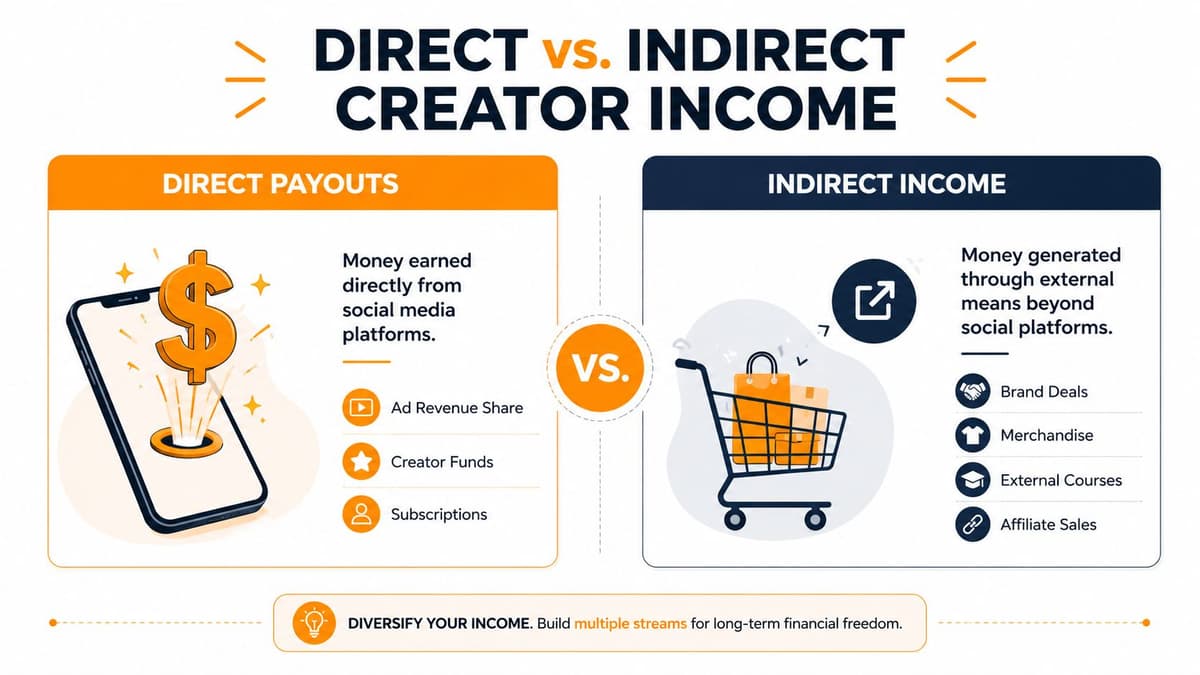
At its core, earning money from your posts boils down to four main paths: striking deals for sponsored content, earning commissions through affiliate marketing, using built-in platform features like ad revenue sharing, and the big one—selling your own stuff.
The Blueprint for Earning Money from Tweets

Turning your social media account into a revenue stream has gone from a pipe dream to a practical career path, but you need a solid plan. If you’re looking for an overnight success button, you won't find one. Getting paid to tweet is all about strategically building a presence that people find genuinely valuable.
And the opportunity has never been bigger. The influencer marketing industry is absolutely exploding. The global market is projected to hit a staggering $32.55 billion in 2025, a huge leap from $24 billion in 2024. You can dig into the specifics in various market size reports, but the takeaway is clear: brands are pouring money into creators who can connect them with engaged audiences.
Your Monetization Roadmap
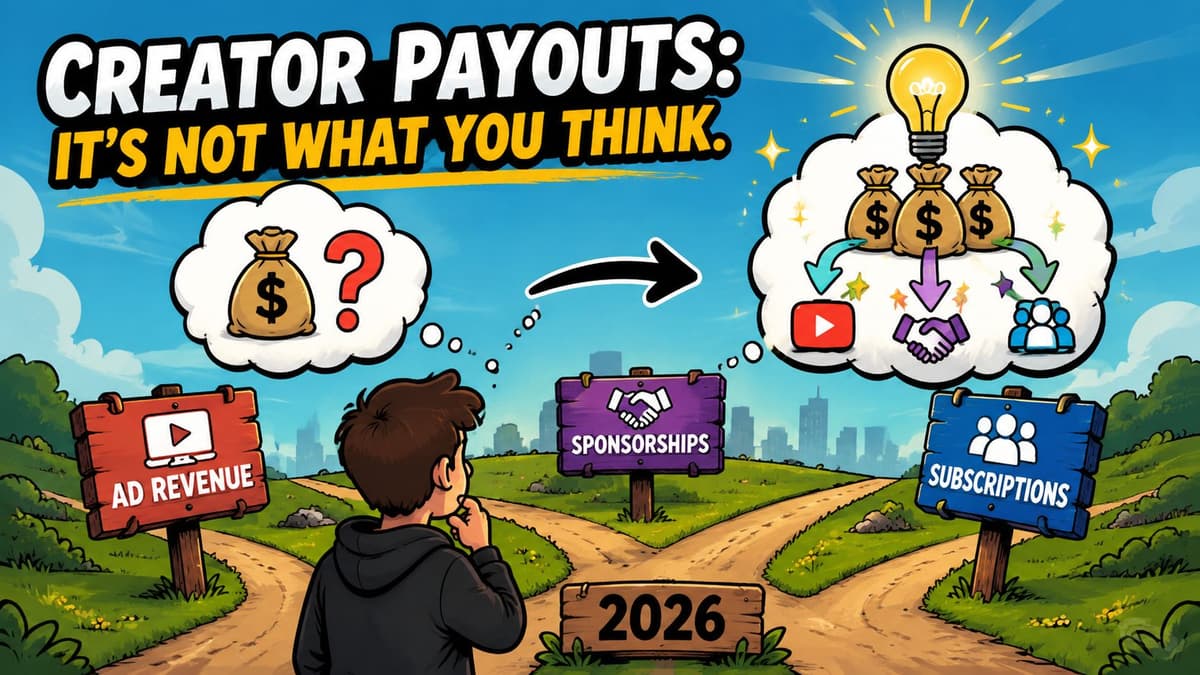
The key to building a sustainable income is diversification. Putting all your eggs in one basket is a recipe for disaster. Instead, a smart mix of the following four pillars will give you stability and open up different ways to earn.
- Sponsored Content & Brand Deals: This is the classic "influencer" model. Brands pay you a flat fee to post about their products. The catch? You need an audience that genuinely trusts your taste and recommendations.
- Affiliate Marketing: Instead of a flat fee, you get a commission for every sale that comes through your unique link. This works best when you’re promoting products you actually use and love. It feels authentic because it is.
- Platform-Native Tools: Many platforms are building monetization right in. On X (formerly Twitter), for example, you have Ads Revenue Sharing and Creator Subscriptions, which let you earn directly from the content you're already making.
- Selling Your Own Products or Services: This is often the most lucrative path because you're in complete control. Think digital products like eBooks or templates, one-on-one consulting, or even a paid newsletter. Your earning potential is uncapped.
Pro Tip: By weaving these methods together, you create a much more resilient creator business. If sponsorship deals are slow one month, a spike in affiliate sales or new subscribers can easily pick up the slack, keeping your income steady while you grow.
To help you visualize these paths, here's a quick breakdown of what to expect from each.
Key Monetization Paths at a Glance
This table gives you a high-level view of the main ways to earn, helping you decide where to focus your energy first based on the effort required and the potential payoff.
| Monetization Method | Effort Level | Income Potential |
|---|---|---|
| Sponsored Content | Medium | Moderate to High |
| Affiliate Marketing | Low | Low to Moderate |
| Platform Tools (Ads/Subs) | Low | Low to High |
| Selling Your Own Products/Services | High | Very High |
As you can see, the methods with the highest income potential, like selling your own products, also demand the most effort. But by starting with lower-lift options like affiliate marketing, you can build momentum and fund your bigger projects down the line.
Build an Audience Brands Actually Want to Pay For
Before you ever make a dollar, you need to earn something far more valuable: attention.
But let's be clear—this isn't about chasing vanity metrics. Getting paid to tweet isn't a numbers game based on how many followers you have. It’s about building a genuine, engaged community that trusts what you have to say.
Brands don't write checks for a follower count. They invest in your influence, which is a direct result of the connection and trust you've built with a specific group of people. Your first job is to build that connection on purpose.
Find Your Niche (The More Specific, The Better)
The single biggest mistake I see new creators make is trying to talk to everyone. When your content is for everybody, it ends up connecting with nobody. The real secret is finding a specific, tightly-defined niche that you're genuinely fired up about.
Think smaller. Instead of "tech," narrow it down to "AI tools for solo entrepreneurs." Instead of "fitness," zero in on "strength training for busy parents." This laser focus does two powerful things: it pulls in a super-dedicated audience and screams to potential brand partners, "This is exactly who I can reach for you."
Your ideal niche sits at the crossroads of three things:
- Your Passion: What could you talk about all day without getting bored? You can't fake enthusiasm, and that energy is what will fuel your content day in and day out.
- Your Expertise: What do you know more about than the average person? This doesn't mean you need a PhD. It could be a skill you've honed, a hobby you've dedicated years to, or your professional experience.
- Audience Demand: Are people already talking about this? A quick search on X or Google Trends will tell you if there's a conversation you can join and eventually lead.
A niche isn’t a box; it’s a launchpad. You can always expand later. Starting specific just makes it infinitely easier to grow and, eventually, monetize. It’s the difference between shouting into a packed stadium and having a real conversation in a room full of people leaning in to listen.
Optimize Your Profile for Opportunity
Think of your profile as your digital storefront. In about three seconds, a potential follower—or a brand scout—needs to understand who you are, what you talk about, and why they should stick around.
A vague or sloppy profile is a huge missed opportunity. Your bio needs to nail your niche and the value you bring. For example, ditch "Marketing enthusiast" and try something like, "Helping SaaS startups land their first 100 customers with no-fluff content marketing tips." The second one immediately tells people who you help and what they'll get.
Use a clear, high-quality headshot (people connect with people!) and a header image that reinforces your niche. This is your most valuable real estate—use it wisely.
Master the Art of Engagement
Once your foundation is solid, consistency is everything. When you post regularly, you train your audience to look forward to your content. This doesn't mean you need to be glued to your phone 24/7. Not at all. A smart workflow is key.
To keep a steady stream of content flowing without burning out, many creators lean on scheduling. You can find plenty of great Twitter automation tools that can handle the busywork of scheduling and posting for you.
But broadcasting isn't enough. To build that loyal following, you have to spark real conversations.
- Ask Good Questions: Don't just state an opinion. End your post with an open-ended question that begs for a reply. "What's the one productivity app you absolutely can't live without?" will always get more traction than just posting a link to an app.
- Run Insightful Polls: Polls are a fantastic, low-effort way for people to engage. Use them to get a pulse on your audience's opinions, do some light market research, or just start a fun debate.
- Write Killer Threads: A thread is your chance to really teach something or tell a compelling story. A well-crafted thread that delivers a ton of value can catch fire, bringing in a wave of new followers who are exactly the right fit for your niche.
- Show Up in the Replies: Don't just talk—listen and participate. Jump into conversations with other people in your space, add value to their posts, and build real relationships. Your network is your net worth online.
By nailing these three things—a tight niche, a sharp profile, and consistent engagement—you'll build the one asset every monetization strategy relies on: an audience that truly listens.
Secure Your First Paid Sponsorships and Affiliate Deals
Once you've built a real connection with your audience, you can start turning that influence into income. This is where the rubber meets the road—landing brand sponsorships and setting up affiliate marketing deals. These are two of the most common ways creators get paid, but they require different strategies.
With sponsorships, a brand pays you a flat fee to post about their product. Think of it as a creative collaboration. Affiliate marketing is different; it's performance-based. You share a unique link, and you earn a commission every time someone makes a purchase through it. Both can be incredibly effective, but you have to protect your audience's trust above all else.
Finding and Pitching the Right Brands
The secret to great sponsorships is all about alignment. Pitching a vegan snack brand to your BBQ-loving followers is a surefire way to lose credibility—and waste everyone's time. You need to find brands that feel like a natural extension of your content.
The easiest place to start? Look at the products you already use and genuinely love. Your authentic enthusiasm is your most powerful selling point.
- Audit Your Own Life: What software, gadgets, or coffee do you use every single day? That's your starting list.
- Observe Your Niche: See who’s sponsoring other creators in your space. If a brand is already investing in your type of audience, they're a warm lead.
- Use Discovery Platforms: Tools like Passionfroot or Upfluence can connect you with brands on the hunt for creators, but don't underestimate the power of a direct, well-crafted pitch.
Once you’ve got a list of target brands, you need a media kit. Think of it as your creator resume—a simple one-page PDF that shows a brand why they should work with you.
Your media kit shouldn't just be about your follower count. It needs to tell a story about your audience: who they are, what they care about, and how much they engage with your content. That’s what brands are really buying into.
Your kit should include a quick bio, key stats like your monthly impressions and engagement rate, and audience demographics (age, location, interests). Always include a few screenshots of your best-performing posts and clearly list the partnership options you offer, like a single sponsored tweet, a detailed thread, or a multi-post package.
Crafting Affiliate Posts That Convert
With affiliate marketing, it’s not about the hard sell. The goal is to weave product recommendations into your content so seamlessly that they feel like a genuinely helpful tip, not a sales pitch. The best affiliate content always starts by solving a problem for your audience.
For instance, a writer might post a thread titled "5 tools that helped me hit 5,000 words a day," then drop affiliate links for their go-to focus app and mechanical keyboard. The post provides immense value first, positioning the products as the solution.
This chart shows the core elements that make an account valuable to brands and followers alike.

It’s a great visual reminder of how a focused niche, a polished profile, and killer content all work together to build something you can actually monetize.
How to Price Your Sponsored Tweets
Alright, let's talk about the tricky part: how much to charge. If you price yourself too low, you're leaving money on the table. Too high, and you might scare off good partners before the conversation even starts. The right price is a blend of your follower count, your average engagement rate, and the sheer quality of what you create.
Creators on X often see different numbers than their counterparts on other platforms. While a micro-influencer with 10,000 to 100,000 followers on Instagram might pull in $100 to $500 for a sponsored post, X rates can sometimes be on the lower end of that spectrum. A nano-influencer (1,000 to 10,000 followers) could see anywhere from $10 to $100 per tweet. But if you have 50,000 highly engaged followers in a valuable niche, you could absolutely command $500 to $2,000 for the right campaign. You can dig into more specifics on how influencer compensation varies by platform.
To figure out your own rates, it helps to have a starting point. A common rule of thumb is the "$100 per 10,000 followers" guideline. But treat that as a baseline, not a rule. From there, you need to adjust based on the specifics of your account and the deal itself.
Here’s a quick table to give you a clearer idea of potential pricing based on follower count and engagement.
Sample Pricing Tiers for Sponsored Tweets
| Follower Range | Avg. Engagement Rate | Price per Tweet (USD) |
|---|---|---|
| 1,000 - 10,000 | 1.5% - 3.0% | $10 - $100 |
| 10,001 - 50,000 | 1.0% - 2.5% | $100 - $750 |
| 50,001 - 250,000 | 0.8% - 2.0% | $500 - $2,500 |
| 250,000+ | 0.5% - 1.5% | $2,000+ |
Remember, these are just estimates. A high engagement rate in a specialized niche is always more valuable than a huge following with low interaction. Don't be afraid to negotiate, but always have the data from your media kit ready to back up your price.
Staying Compliant with FTC Disclosures
Let me be clear: trust is the most important currency you have as a creator. The fastest way to destroy it is by hiding that you're getting paid. The Federal Trade Commission (FTC) has very clear rules about this—you must disclose when you have a financial relationship with a brand. This isn't just good practice; it's the law.
Your disclosure has to be impossible to miss. Burying it in a sea of hashtags at the end of a tweet doesn't cut it. The best and safest approach is to put it right at the beginning.
Here are the only hashtags you should be using:
- #Ad
- #Sponsored
- #Promotion
Don't get cute with it. Vague terms like "#collab," "#sp," or "#partner" aren't good enough and can get you in trouble. Being upfront about your partnerships does more than just keep you out of legal hot water—it shows your audience that you respect them. They'll appreciate the honesty.
Take Control: Build Income Streams You Actually Own
Sponsored tweets and affiliate links are great starting points, but let's be honest—you're still relying on someone else's product or budget. The real power move is building income streams where you call the shots. You set the price, you create the product, and you keep the profit.
This is the leap from being a creator who gets paid to tweet to becoming an entrepreneur who owns a business. It's about moving past one-off brand deals and building something more sustainable, whether that's through platform-native tools or, even better, your own unique offerings. These paths give you more freedom and, frankly, a much higher earning potential. You're in the driver's seat.
Cash In on X’s Built-In Tools
If you're active on X (the platform formerly known as Twitter), they’ve rolled out a few ways for creators to earn directly from their followers. You won't find these on decentralized alternatives like Bluesky or Mastodon, but on X, they can add a nice, recurring revenue stream if you qualify.
You’ve got two main options here:
- Creator Subscriptions: This lets your biggest fans pay a monthly fee for bonus content, a special badge, and access to subscriber-only posts. Think of it as your own little VIP club. It's a fantastic way to generate predictable income.
- Ads Revenue Sharing: If your posts are sparking a lot of conversation, X will give you a cut of the ad revenue generated from the replies. Basically, you get paid for creating engaging content that keeps people on the platform.
Getting the Green Light for X Monetization
You can't just flip a switch on these features; you have to earn your way in. X has some specific criteria you'll need to meet.
To qualify for either program, you’ll generally need to:
- Be subscribed to X Premium or be a Verified Organization.
- Have at least 500 followers.
- Have been active in the last 30 days.
But for Ads Revenue Sharing, the bar is set much higher. You need to have racked up at least 5 million organic impressions on your posts over the last three months. It's a steep climb, but it ensures that only the most impactful creators are part of the program. It's a solid goal to work toward as your account grows.
My Two Cents: Platform monetization is a great piece of the puzzle, but don't let it be your only piece. Platform rules and algorithms can change overnight. Use these tools to supplement your income, not define it. Diversify!
The Endgame: Selling Your Own Stuff
This is it. This is where the most successful creators make the real money. When you sell your own digital product, coaching service, or online course, you keep almost all of the revenue. Your income is tied directly to the value you create, not some advertiser's quarterly budget.
The data doesn't lie. A recent analysis of the creator economy revealed a massive income gap. Creators who deliberately focused on "Making Money From My Content" reported average annual incomes hitting $132,000. That's more than double what creators who just chased audience growth earned. You can dig into the data on how a business mindset impacts earnings, but the takeaway is simple: when you treat your content like a business, it pays like one.
Your tweets then become the perfect, non-sleazy top of your sales funnel, drawing in the exact people who need what you're selling.
Real-World Examples You Can Steal
Okay, enough theory. Let's look at how this actually works. Here are a few scenarios I've seen play out successfully time and time again.
- The Designer and the Icon Pack: A UI/UX designer shares killer threads breaking down slick app designs. Once they've built a following of developers and other designers, they drop a tweet like, "Sick of the same old boring icons? I just released a pack of 200 minimalist icons I made for my own projects. Check 'em out." The tweet links straight to their shop on Gumroad or Lemon Squeezy. Easy.
- The Writer and the Paid Newsletter: A writer consistently posts insightful threads on productivity. They give away so much value for free that their audience is hooked. Then comes the announcement: a paid Substack newsletter with deeper dives and a private community for a few bucks a month. People who already trust their advice are more than happy to pay for more.
- The Expert and the Coaching Call: A marketing consultant tweets practical, daily tips for small businesses. Their DMs are flooded with questions. So, they add a Calendly link to their profile offering paid 1-on-1 "Strategy Sessions." Their feed is a living portfolio of their expertise, making the paid calls a no-brainer for their followers.
In every case, the sale feels like a natural next step, not a pushy ad. They aren't just tweeting to get paid; they're getting paid because their tweets have already proven their value. That's how you build a real, sustainable business as a creator.
Create a Workflow That Prevents Creator Burnout

Turning your social media presence into a real business is about more than just having good ideas. It’s about building a sustainable system. Without a solid workflow, the constant pressure to post will eventually lead to creator burnout, killing your momentum just as you’re getting started. This is about building the operational backbone of your creator business so you can work smarter, not harder.
Forget the chaotic "post-when-inspired" approach. What you need is a structured content engine. A well-planned system keeps your feed active and your audience engaged, even on your busiest days, without you being glued to your phone 24/7. The real goal is to create a process that serves both your audience and your business without completely draining your creative energy.
Schedule Your Content in Batches
One of the best ways to keep burnout at bay is content batching. It’s a simple concept: instead of scrambling for ideas every single day, you dedicate a specific block of time each week to plan, write, and schedule everything in one go.
For example, you could block off two hours every Sunday to write all your core posts and threads for the week ahead. This frees up so much mental space during the week, allowing you to focus on what really matters—genuine engagement. You'll have the time to reply to comments, jump into conversations, and actually be present with your community.
To really streamline this, smart creators rely on scheduling tools. If you’re serious about this, learning how to automate social media posts is an absolute game-changer. Using a platform built for microblogging lets you load up dozens of posts across multiple accounts, guaranteeing a steady stream of content that keeps people coming back.
Key Takeaway: Treat your content creation like any other important appointment. By batching your work and leaning on scheduling tools, you turn a relentless daily chore into a manageable, strategic task that actually fuels your growth.
Repurpose Your Best Content Intelligently
Listen, not every post needs to be a brand-new masterpiece. Your best-performing content is a goldmine of proven ideas just waiting to be repurposed. This is how the pros get paid to tweet without working around the clock.
Think about your most popular thread. It already got a great response, so the idea is validated. Now, how can you give it a second life?
- Thread to Blog Post: Take the key points from your thread, flesh them out with more detail and examples, and publish it as a full-length article on your personal blog or Medium.
- Tweet to Video: Turn one powerful, insightful tweet into a short-form video for TikTok, Instagram Reels, or YouTube Shorts. You can break down the core concept in a dynamic, 60-second clip.
- Quote to Graphic: Pull the most impactful sentence from a successful post and design a shareable graphic with a simple tool like Canva. These are perfect for cross-posting to more visual platforms.
This isn’t just about saving time, though it does save a ton. It’s about reinforcing your key messages and solidifying your expertise. You’re not just reusing content; you’re amplifying what you already know works.
Track the Metrics That Actually Matter
Finally, a sustainable workflow means knowing what’s working so you can do more of it. Likes and impressions are nice vanity metrics, but they don't pay the bills. To truly scale your income, you have to track the numbers directly tied to your monetization goals.
Your focus should change depending on how you're making money:
- For Affiliate Marketing: The only metric that really counts is your click-through rate (CTR) on affiliate links. This tells you if your posts are actually convincing people to take action.
- For Your Own Products: Keep an eye on the conversion rate. Of the people who click the link in your bio from a post, how many actually buy your e-book or sign up for your course?
- For Sponsorships: Here, you need to focus on engagement rate and reach. These are the numbers brands look at when deciding if you're worth partnering with.
By regularly checking these business-focused metrics, you can stop guessing and start making data-driven decisions. This ensures your effort is always pointed directly at your goal: building a profitable creator business.
Questions I Hear All the Time About Getting Paid to Tweet
So, you're ready to turn your posts into a real income stream. It's exciting, but it also opens up a ton of questions. Let's walk through some of the most common ones I get from creators who are just starting out.
How Many Followers Do I Really Need to Start Earning?
Let's kill a myth right now: you do not need a massive following to get paid. I’ve seen it time and time again—engagement consistently trumps follower count.
Brands are getting smarter. They've realized that nano-influencers, folks with 1,000 to 10,000 followers, often have incredibly loyal communities hanging on their every word. That kind of niche engagement is gold.
Honestly, you can start earning with just a few hundred dedicated followers. Think affiliate links or selling a small digital product. For sponsored posts, brands might start sniffing around once you pass 5,000 followers, but I've seen creators with killer engagement rates land deals way sooner.
My Two Cents: Stop obsessing over the follower number and focus on building a real, interactive community. A small, fired-up audience is infinitely more valuable than a huge, silent one. Your real influence is measured by trust, not vanity metrics.
What Are the Biggest Monetization Mistakes to Avoid?
Getting started on the right foot can save you a world of headache later. So many creators stumble out of the gate by making the same handful of mistakes. If you can sidestep these, you’ll protect your hard-earned reputation and grow much faster.
Here are the big ones to watch out for:
- Shilling products you don’t actually like. This is the quickest way to burn through the trust you've built. Your audience can smell a phony a mile away.
- Forgetting to disclose sponsored posts. Not using #Ad or #Sponsored is a big no-no. It's against FTC rules and can get you into hot water.
- Chasing followers instead of community. A huge follower count with crickets in the replies is a major red flag to any potential brand partner.
- Being inconsistent. If you only post when the mood strikes, your audience will drift away. You can't build momentum without a steady presence.
- Not having a media kit ready. You need a professional one-pager that spells out who you are, what you offer, and what your rates are. It makes it so much easier for a brand to say "yes."
Can I Use These Strategies on Bluesky or Mastodon?
Absolutely. The specific tools might be different, but the core game is the same. Building an audience and giving them something of value works everywhere, whether it's X, Bluesky, or Mastodon.
On these newer or decentralized platforms, you’ll just have to lean more into direct relationships. Brands looking for tech-savvy audiences or early adopters are already there, searching for creators to partner with. Your best bets will be direct sponsorships, affiliate marketing, and using your posts to drive people to your own website, products, or services.
How Should I Handle Taxes on My Creator Income?
Okay, let's talk about the not-so-fun but super important part: taxes. Once you start earning, you've got to handle your finances the right way. That income from sponsorships, affiliate sales, or tips is typically considered self-employment income.
If you're in the US, that means you'll likely need to file a Schedule C and pay self-employment taxes. It is absolutely crucial to track every dollar you make and every business-related expense you have (think software, equipment, etc.). My strongest advice? Find a good tax professional who understands the creator economy. It’s an investment that will pay for itself.
Ready to stop the guesswork and build a consistent content workflow? MicroPoster provides the tools you need to schedule, analyze, and grow your presence across X, Bluesky, and Mastodon. Start your free 7-day trial and publish smarter at https://microposter.so.