typefully alternative
10 Best Typefully Alternative Tools for 2026
Looking for a Typefully alternative? Explore our 2026 list of the 10 best tools for thread writing, scheduling, and social media automation.

You're probably here because the writing part is fine. The workflow around it is not. A post starts on X, then gets copied to Threads, adjusted for Bluesky, cleaned up for Mastodon, and suddenly a two-minute draft turns into 20 minutes of manual distribution.
That's usually the point where Typefully stops feeling complete. It still makes sense for people who care most about drafting, threads, and a clean writing environment. Typefully presents itself as a writing-first scheduler for X, LinkedIn, Threads, Bluesky, and Mastodon, with pricing and trial details listed on Typefully's pricing page. The trade-off is straightforward. If writing is the bottleneck, that focus helps. If distribution, approvals, analytics, or cross-posting are the bottleneck, the limits show up fast.
The category has split into distinct workflow camps. Some tools are built for writing and idea development. Others are built for scheduling across many networks, team coordination, and reporting. Buffer, for example, positions itself as a broader scheduler with multi-platform publishing and channel-based pricing on Buffer's pricing page. Independent reviews also describe the same divide between writer-first tools and automation-first tools, including Efficient App's Typefully alternatives review.
That distinction matters in this list.
The goal is not to rank tools by raw feature count. It is to match each option to the job it handles best, whether that's thread writing, growth-focused publishing, team approvals, reporting, or cross-network distribution. MicroPoster stands out for a different reason than a traditional scheduler. Its write-once, sync-everywhere model is built for people who already know where they want to post and want the adaptation work handled for them. Other tools on this list are stronger for planning calendars, managing clients, or turning content into a repeatable team process.
Pick based on the friction you want to remove from your day, not the longest feature table.
1. MicroPoster

MicroPoster is the best Typefully alternative if your real pain isn't writing. It's reposting the same idea everywhere after you already wrote it once. Instead of asking you to live inside another scheduler, it watches your source account and syncs customized versions to X, Threads, Bluesky, and Mastodon automatically.
That sounds small until you use it. Most schedulers still treat cross-posting like duplication. MicroPoster treats it like adaptation. A post can turn into a thread where needed, media gets resized per platform, mentions get remapped, and links are handled so previews render properly. That's a much better fit for founders and creators who already have a preferred posting habit and don't want to rebuild it.
Where it fits best
If your current process is “publish on one network, manually repurpose for the rest,” MicroPoster removes the worst part. It's especially strong for product updates, creator posts, launch notes, and recurring commentary that should appear natively across several text-first networks.
Its pricing is also easy to understand. There's a MicroPoster free trial, and the paid plans start at Creator for $12/month, then Pro at $29/month, with Agency at $89/month. The setup is quick, OAuth-based, and doesn't require handing over passwords.
Practical rule: Choose MicroPoster when you already know what you want to say and just want distribution to happen in the background.
What works and what doesn't
What works is the model itself. Write once on the platform you already use, then let the system sync it elsewhere without flattening every post into the same format. That feels different from classic social media dashboards because you're not forced into a planning-heavy workflow just to stay active across channels.
What doesn't work as well is high-touch editing after the fact. Sync runs on a schedule, and if you edit the source post later, you may need to manually resync. It also supports a specific set of networks, so this isn't the tool for someone who needs Instagram, TikTok, YouTube, and Facebook in the same command center.
A few strengths stand out in day-to-day use:
- Native-first publishing: You keep posting from the apps and accounts you already use.
- Per-network adaptation: The system adjusts formatting instead of copy-pasting blindly.
- Useful AI layer: You can refine tone, expand or compress copy, and get help shaping posts for each network.
- Simple pricing: It's affordable enough for solo creators and small teams, which matters in a category where prices can climb fast.
If your version of a Typefully alternative is “less drafting theater, more automatic reach,” this is the one I'd try first.
2. Hypefury

Hypefury is for people who still live on X and want more growth mechanics than Typefully gives them. It's less about elegant drafting and more about turning posts into traffic, replies, plugs, and repeatable audience-building actions.
That makes it a strong Typefully alternative for creators who treat X as a funnel, not just a writing outlet. The thread composer is solid, but the draw is the automation layer around performance and promotion.
Best for X-first operators
Hypefury works well for solo creators, newsletter writers, coaches, and operators who publish on X daily and want automations tied to reach. Auto DM and Auto Plug are the kinds of features that make sense when distribution on one platform matters more than looking polished across many.
There's also a Hypefury trial, which makes it easy to test whether the growth-focused workflow suits you better than Typefully's cleaner writing experience.
A few trade-offs are obvious fast:
- Better than Typefully for X-specific growth: If your goal is traffic and conversion from tweets, Hypefury usually gives you more to work with.
- Worse for broader social operations: It's not the tool I'd pick if LinkedIn, Threads, or Bluesky matter equally.
- More tactical feel: Some people love that. Others find it less calm than a writer-first interface.
If Typefully feels too gentle for your X strategy, Hypefury is the practical next step.
3. Tweet Hunter
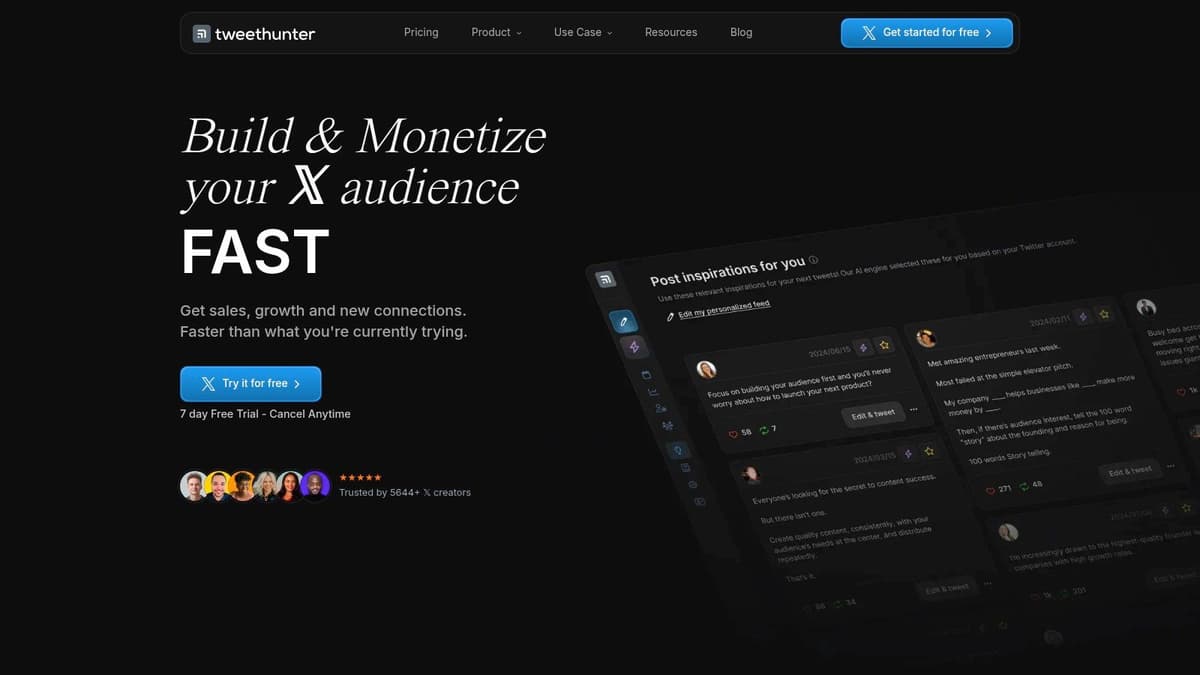
Tweet Hunter is the heavier-duty version of the X growth stack. Compared with Typefully, it gives you a fuller machine for scheduling, evergreen recycling, DMs, analytics, and AI-assisted rewriting.
This one is best for ghostwriters, agencies, and creators running multiple X accounts with a clear content engine behind them. It feels less like a writing studio and more like an operations platform.
When Tweet Hunter makes more sense than Typefully
If you care about reporting, repeatable hooks, and identifying which posts pull followers or engagement, Tweet Hunter has the edge. You can queue, recycle, test variations, and manage more moving parts from one place.
There's a Tweet Hunter free trial, plus a refund window, so it's relatively low risk to evaluate.
The main question is simple. Do you want to write better threads, or do you want a bigger X system around every post?
That's the trade-off. Tweet Hunter wins on system depth. Typefully usually wins on writing feel. If you don't need multi-network publishing and want a more aggressive X toolkit, Tweet Hunter is a better fit.
4. Buffer
A common handoff looks like this: the writing side of the team wants a cleaner drafting experience, while the marketing side needs one calendar that covers every active channel. Buffer usually enters the conversation at that point. It is a better fit for teams prioritizing coverage, approvals, and scheduling across a broader set of social accounts.
Compared with Typefully, Buffer feels less specialized. That is the appeal. It supports a wider social publishing workflow, so it makes more sense for brand teams, agencies, and in-house marketers managing several networks from one dashboard. Buffer's own pricing page is the right place to check current plan details before buying because channel counts and limits matter a lot once you add more brands or client accounts.
Where Buffer fits better than Typefully
Buffer works well when the main problem is coordination, not writing quality inside the editor. If a team is publishing to X, LinkedIn, Instagram, TikTok, YouTube, Threads, and other channels on a fixed schedule, Buffer is easier to justify than a more text-first tool.
That also highlights the trade-off with MicroPoster's write-once publishing model. Traditional schedulers like Buffer are built around planning posts per channel. MicroPoster is closer to a workflow for teams that want to cross-post automatically across multiple text platforms from a single source post. If your process depends on adapting each post network by network, Buffer is the safer choice. If your process depends on syndication speed, the difference becomes obvious fast.
A separate angle worth reviewing is this social media content creation tool comparison, especially if your shortlist includes both schedulers and writing-first platforms.
The practical trade-offs are straightforward:
- Choose Buffer for multi-channel operations: Better fit for teams managing varied networks, approval flows, and shared calendars.
- Skip Buffer if your workflow starts with text-first publishing: The writing experience is serviceable, but it is not the main reason to use the product.
- Watch pricing as accounts grow: Buffer is reasonable at smaller scale, but channel-based planning gets harder to ignore once you stack multiple brands or client profiles.
Buffer is a solid operations pick. I'd use it when the job is keeping a broader publishing system organized, not when the main goal is turning one strong text post into a synced presence everywhere.
5. Publer

Publer sits in a useful middle ground. It's broader than Typefully, often more flexible than simpler schedulers, and usually a better fit for small businesses or agencies that want bulk actions without jumping to expensive enterprise tools.
It's also one of the few alternatives that feels comfortable with thread-style publishing across multiple text platforms. That matters if your content isn't just single posts.
Strong value for multi-account teams
Publer works well when your workflow involves a visual calendar, asset reuse, and a decent amount of scheduled content across networks. It's not as writing-centric as Typefully, but it gives you more operational control once content volume increases.
If your current headache is repetitive reposting, this guide on how to crosspost automatically is worth reading alongside Publer's approach.
Its practical strengths are clear:
- Flexible setup: Good for teams with several accounts and users.
- Useful bulk tools: Better than Typefully for planned campaign execution.
- Less elegant writing flow: Fine for managers, less ideal for creators who care about the drafting experience.
Publer makes sense when content ops matter more than the pleasure of writing inside the tool.
6. SocialBee

SocialBee is a better Typefully alternative if your posting system depends on categories, recycling, and evergreen content. It's built for people who want a library that keeps working, not just a drafting space for new posts.
That changes how you use it day to day. Instead of thinking post by post, you start thinking in buckets, queues, and repeatable content themes.
Best for evergreen systems
This is a strong fit for consultants, service businesses, and small teams that want to keep publishing without reinventing the wheel every day. SocialBee's category setup takes more effort at the start, but once it's dialed in, the system does a lot of work for you.
The main trade-off is cognitive load. Typefully is lighter and faster when you just want to write. SocialBee asks for more setup because it's trying to automate a larger content machine.
If your content has a shelf life longer than a news cycle, SocialBee often beats writer-first tools.
That doesn't make it better for everyone. It makes it better for teams that publish recurring ideas and want those ideas reused intelligently.
7. Metricool
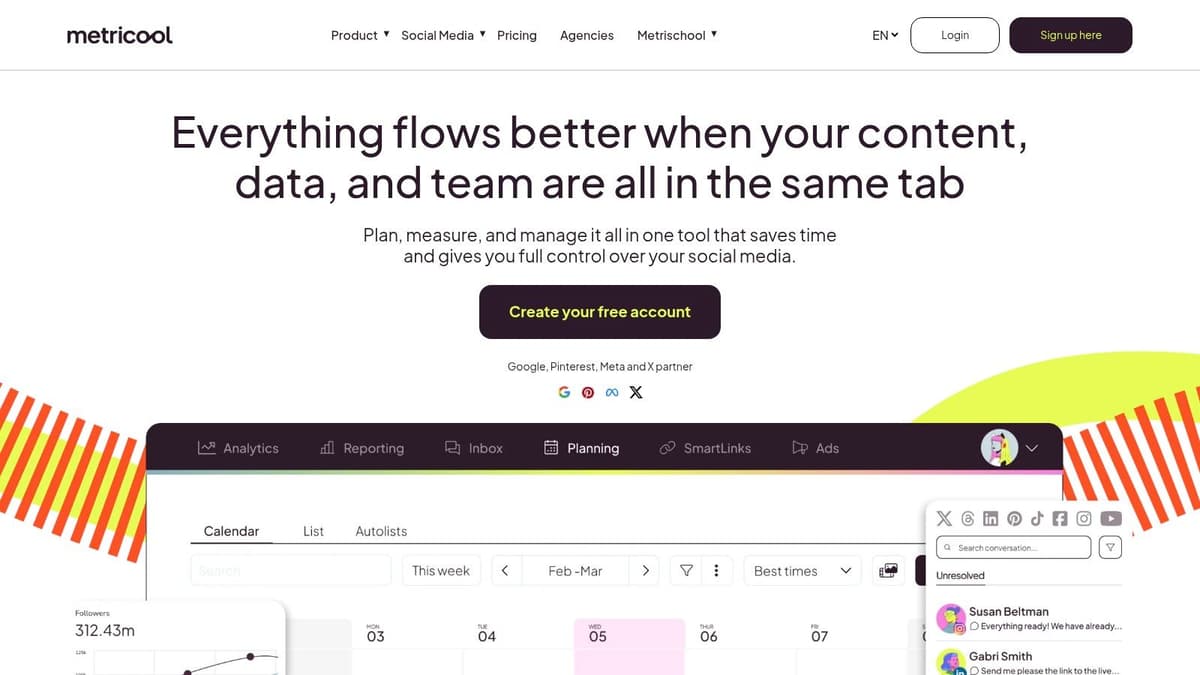
Metricool is the pick for managers who care as much about measurement as publishing. If Typefully starts to feel thin once reporting, exports, and brand-by-brand analysis become part of the job, Metricool solves that problem.
This is a more agency-shaped tool. You feel that immediately in the interface.
Better analytics, heavier workflow
Metricool shines when clients or internal stakeholders want reports, competitive tracking, and more detailed views across networks. It's also useful if paid and organic reporting need to sit closer together.
The downside is that it feels less creator-friendly than Typefully. You won't open Metricool because the writing environment is enjoyable. You'll open it because you need the data, the exports, and the account structure.
A quick read on fit:
- Choose Metricool for reporting depth: Agencies and in-house teams benefit most.
- Skip it for pure writing flow: Typefully is cleaner and faster if your work is mostly drafting.
- Expect a data-first UX: Functional, but not especially charming.
If content performance reviews are becoming a bigger part of your week, Metricool earns its place.
8. Loomly
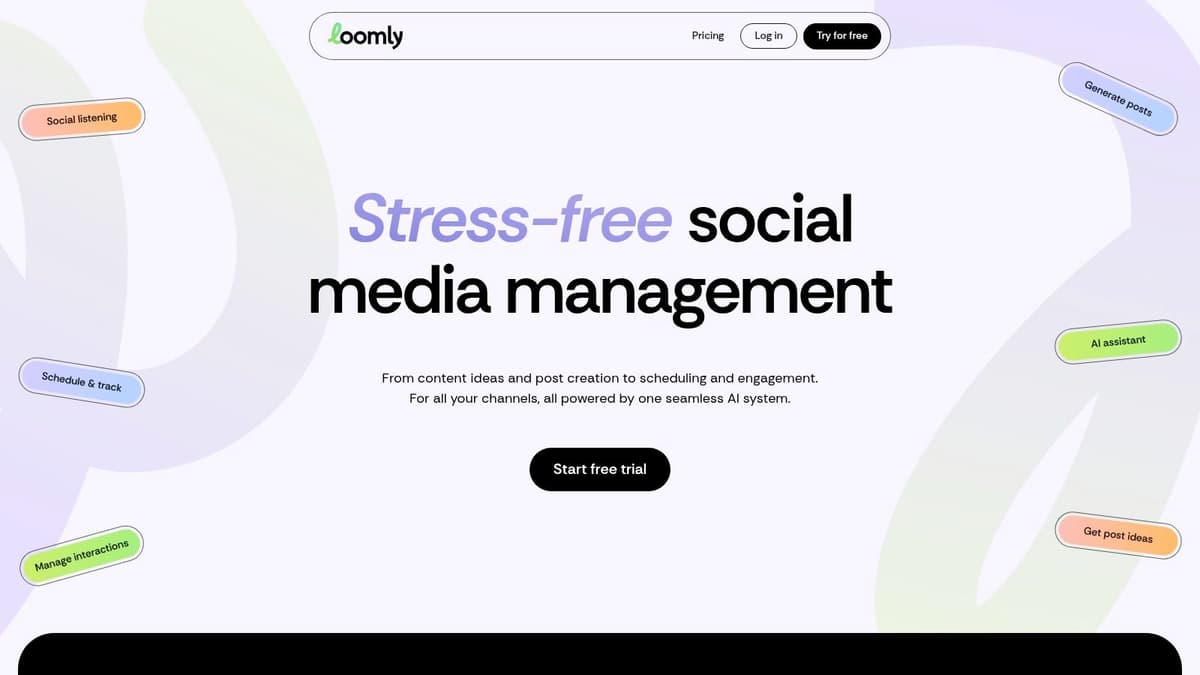
Loomly is the Typefully alternative for teams that need process more than personality. Content calendars, approvals, roles, and brand-level organization are the point here.
For solo creators, it can feel like overkill. For small teams with review steps, it's much easier to justify.
Structured teams usually prefer Loomly
Loomly is good when posts need a clean approval path and everyone involved wants visibility into what's scheduled. The calendar view is strong, onboarding is smooth, and the platform doesn't try to force a creator-growth narrative where it doesn't belong.
The trade-off is obvious. Typefully feels more designed for people who write. Loomly feels built for people who coordinate.
That distinction matters. If your bottleneck is collaboration, Loomly is more useful than Typefully. If your bottleneck is getting good words on the page, it probably isn't.
9. Circleboom Publish
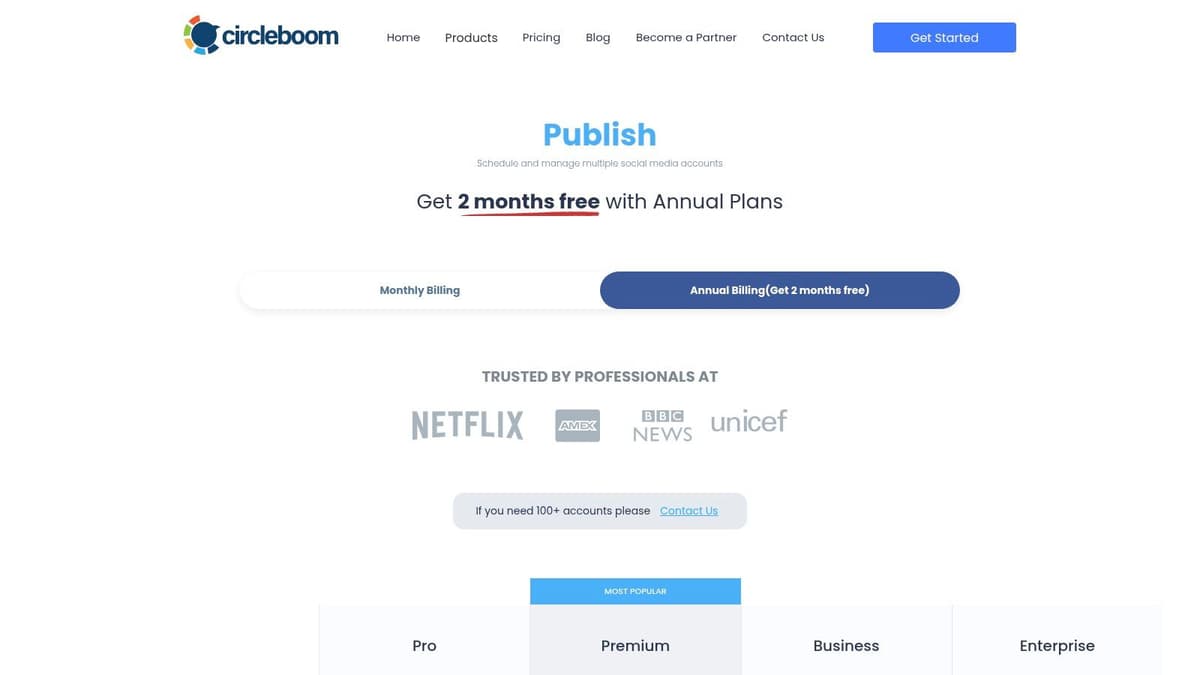
Circleboom Publish fits a different workflow than Typefully. It makes more sense for social managers who handle several networks, reuse the same campaign in different formats, and want extra control over how each post is published.
That matters in practice. Typefully is easier to like if the job starts with writing. Circleboom is easier to justify if the job starts with distribution.
Useful when you want options
Circleboom supports a broad mix of platforms and gives you more publishing controls than writer-first tools usually do. You also get AI assistance, queue management, design integrations, and RSS-style automation, which is useful for teams running recurring content rather than handcrafting every post from scratch.
The trade-off is interface weight. More options usually mean more setup, more checking, and more chances to overbuild a simple workflow.
That broader use case also explains why people compare it with Typefully in the first place. In my experience, many searches for a "Typefully alternative" are really about choosing between a writing workflow and an operations workflow. SocialKit makes a similar case in its roundup of Typefully alternatives, where the emphasis shifts toward platform coverage and channel-specific marketing needs. I read that as a category trend, not a direct statement of fact about every user.
Circleboom is a practical pick for operators who want flexibility across networks. If your ideal setup looks more like write once, sync everywhere, MicroPoster is closer to that model. If you want more per-network controls inside a traditional scheduler, Circleboom fits better.
10. X Pro
X Pro isn't a full Typefully replacement on its own, but it still belongs on the list because some users don't need another publishing tool. They need a better command center for X.
If your publishing stack is already set and your real issue is monitoring, engagement, list tracking, and fast account switching, X Pro is useful.
Best used as a companion tool
X Pro works well alongside a multi-platform scheduler or auto-sync product. It gives you real-time visibility and native monitoring inside the X ecosystem, which third-party tools don't always match cleanly.
It's X-only, so there's no confusion about what problem it solves. It's not cross-posting. It's not analytics across social. It's a dashboard for people who still spend serious time inside X.
For power users, that's enough reason to keep it open all day.
Top 10 Typefully Alternatives, Feature & Pricing Comparison
| Product | Core features & USP ✨ | UX / Quality ★ | Target audience 👥 | Pricing / Value 💰 |
|---|---|---|---|---|
| 🏆 MicroPoster | Native multi-platform reposting, auto-threading, per‑network adaptation, built‑in AI | ★★★★★ | Founders, creators, small social teams | 💰 Creator $12 / Pro $29 / Agency $89 · 7‑day trial (no CC) |
| Hypefury | Thread composer, Auto DM/Auto Plug, growth automations | ★★★★ | X‑first creators & thread writers | 💰 Tiered plans; 7‑day trial |
| Tweet Hunter | Thread scheduling, automations (evergreen/DM), analytics, AI rewrites | ★★★★ | Ghostwriters, agencies, growth creators | 💰 Tiered; trial + 30‑day refund |
| Buffer | Broad channel support, queue + AI assistant, team collaboration | ★★★★ | SMBs, teams, multi‑channel marketers | 💰 Free (3 channels) + paid per‑channel tiers |
| Publer | Bulk scheduling, visual calendar, thread support, integrations | ★★★ | SMBs & agencies needing value tools | 💰 Free tier; scalable per‑account pricing |
| SocialBee | Evergreen categories, AI Copilot, recycling workflows | ★★★★ | Creators, SMBs, agencies focused on reuse | 💰 Clear plans for solo/business; good ROI |
| Metricool | Deep analytics, competitor tracking, reporting exports | ★★★ | Agencies & teams needing measurement | 💰 Add‑ons for full X features; scalable plans |
| Loomly | Visual calendar, approvals, brand workflows, AI captions | ★★★★ | Small teams & brand managers | 💰 Tiered; price jumps per users/accounts |
| Circleboom Publish | Wide network support, OpenAI content gen, RSS automations | ★★★ | Creators/agencies wanting per‑network controls | 💰 Account‑configurator pricing; flexible |
| X Pro (formerly TweetDeck) | Real‑time multi‑column monitoring, advanced search, contributor roles | ★★★★ | Power X users, community managers | 💰 Requires X Premium+ for access |
Find Your Perfect Social Media Workflow
A lot of teams hit the same wall after the draft is finished. The post is ready, but now someone has to adapt it for X, Threads, Bluesky, and Mastodon, check formatting, and schedule each version separately. That is where the right Typefully alternative starts to matter.
The best choice depends on the job that keeps slowing you down.
Hypefury and Tweet Hunter fit a writing-first workflow. I would put them in front of creators, ghostwriters, and growth operators who spend more time shaping threads, testing hooks, and building X-centric growth loops than managing multi-network calendars. You get ideation support, repurposing help, and automation tied to audience growth. The trade-off is clear. They are stronger at publishing around X than at running a clean cross-platform operation.
Buffer, Publer, and Circleboom make more sense when distribution is the problem. Buffer is usually the safest option for teams that want dependable scheduling across several channels without much setup overhead. Publer is often the value pick for smaller agencies or marketers managing several brands. Circleboom gives you more control at the account and network level, which is useful if each platform needs different handling and you do not mind a busier setup.
Other teams are buying for process, not posting. SocialBee works well if your calendar depends on recycling evergreen content. Metricool is easier to justify when reporting, competitor tracking, and exports affect client conversations. Loomly earns its keep when posts need comments, approvals, and a clear review path before anyone publishes.
Budget changes the math fast. A broad suite is worth paying for when it replaces manual coordination, reporting work, or approval chaos. If you are a solo operator or a lean team, focused tools usually win because they solve one expensive workflow problem without dragging in extra software you will barely use.
MicroPoster stands out for a different reason. Traditional schedulers still expect platform-specific prep before the post goes live. MicroPoster is built around a write-once, sync-everywhere workflow, so the time savings show up after the draft is done. That difference matters if the main headache is repetitive distribution rather than writing assistance.
Choose based on where your team loses time. Pick Hypefury or Tweet Hunter for X-led writing and growth workflows. Pick Buffer, Publer, or Circleboom for standard multi-channel scheduling. Pick SocialBee, Metricool, or Loomly when reuse, reporting, or approvals drive the purchase. Pick MicroPoster if you already know what to publish and want to cut the repeat work that comes after.